
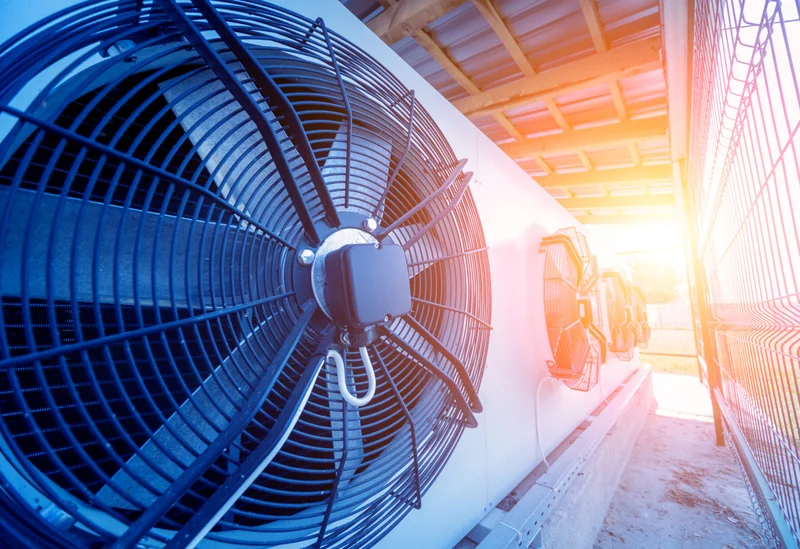
Keeping a big industrial space cool is a very different job to keeping a small office comfy. Heat from machinery, high ceilings, constant door openings, production lines, busy loading bays… it all piles on the pressure. Your industrial AC units are often working flat out in the background and, if they fail, the impact can be serious.
Product spoilage, staff being sent home, machines tripping on high temperature alarms, missed deadlines. None of that is cheap.
The good news is that a lot of breakdowns are avoidable with sensible, regular maintenance. Below are some practical tips based on what engineers at PAR Refrigeration see every day in factories, warehouses and industrial plants across the UK.
1. Start with a proper planned maintenance schedule
The first “tip” isn’t glamorous, but it’s the one that saves the most money over time.
Industrial AC units need planned preventative maintenance, not just the odd visit when something has already gone wrong. A decent schedule will be based on:
- Manufacturer recommendations
- Operating hours and load (24/7 sites need more, not less)
- Environment, for example dusty warehouses or oily production areas
- Criticality of the space being cooled
In practice, that usually means at least twice-yearly visits for most industrial sites, and more frequent checks for high-dependency areas like process cooling, control rooms or server spaces.
PAR Refrigeration typically works with facilities teams to map out which systems are business critical and build a maintenance plan around that, rather than treating every unit as if it does the same job.
2. Keep air filters and coils clean
It sounds basic, but blocked filters and dirty coils are still one of the biggest causes of poor performance in industrial AC units.
Why it matters
- Blocked filters restrict airflow, so the system has to work harder to do the same job
- Dirty evaporator and condenser coils reduce heat transfer
- Both issues drive up energy consumption and put extra strain on compressors and fans
In industrial settings you often have dust, cardboard fibres, flour, sawdust or other contaminants floating around. These get pulled straight into the system.
What you can do
- Make regular filter checks part of your in-house weekly or monthly routine
- Keep spare filters in stock for quick swaps
- Make sure your maintenance contractor, such as PAR Refrigeration, includes coil cleaning as part of service visits
If you notice poor airflow, higher than normal head pressures or the system taking much longer to pull down to temperature, dirty filters or coils are usually the first things to check and then need to be cleaned to ensure optimal performance.
3. Look after the outdoor units
It’s easy to forget the kit on the roof or out in the yard until it stops working. Outdoor condensers on industrial AC units take a beating from the weather and the surrounding environment.
Common issues include:
- Leaves, rubbish, pallets or packaging blocking airflow
- Vegetation growing up around the condenser
- Corrosion in coastal or harsh environments
- Damage from vehicles or forklifts if units are at ground level
Simple actions go a long way:
- Keep at least a metre of clear space around each outdoor unit
- Fit protective cages or barriers where vehicle impact is a risk
- Make outdoor unit visual checks part of weekly site walks
- Ask your engineer to check for corrosion and mounting security on every service
PAR Refrigeration engineers regularly find condensers that are half blocked by debris. Clearing them can instantly bring head pressures and energy use down.
4. Don’t ignore unusual noises or vibrations coming from industrial AC units
Industrial sites are noisy anyway, so it’s easy for odd sounds from an AC plant to go unnoticed. But your team is often the first people to spot early warning signs.
Things worth investigating:
- New rattles, humming or grinding noises
- Vibration that seems worse than usual
- Fans that sound like they are struggling to start or stop
- Repeated tripping of breakers or overloads
Encourage staff to report anything that “doesn’t sound right”, even if the system is still running. Catching a failing fan motor or worn bearing early is much cheaper than dealing with a seized motor, damaged fan blades or collateral damage to other components.
A trustworthy contractor like PAR Refrigeration will never laugh off these reports. They’re valuable clues.
5. Check drains and condensate regularly
Where there’s cooling, there’s condensate. Blocked drains are a simple fault that can cause a surprising amount of mess and damage.
Typical symptoms include:
- Water dripping from ceiling cassettes
- Stains on ceilings or walls
- Puddles near indoor units
- Musty smells from stagnant water
For industrial AC units above sensitive equipment or control panels, a leak is more than just an annoyance.
Good practice:
- Make condensate drain checks part of each service visit
- Ensure traps, pumps and hoses are properly installed and supported
- Clean and flush condensate pans and drains regularly, especially in dusty or humid areas
6. Keep an eye on the industrial AC units system controls and setpoints
You’d be surprised how many “faults” turn out to be control issues. Over time, setpoints get nudged, time schedules get changed, and manual overrides get left on.
This can lead to:
- Systems running 24/7 when they don’t need to
- Cooling and heating fighting each other
- Areas being kept colder than necessary
- Higher than necessary energy bills
Make it part of your routine to:
- Review BMS or local controller schedules every few months
- Standardise setpoints across similar areas (for example 22–23°C for occupied areas)
- Restrict access so only authorised staff can change settings
PAR Refrigeration can help by reviewing your controls strategy as part of a maintenance visit, not just looking at the hardware.
7. Take refrigerant leaks seriously
Refrigerant is the lifeblood of any AC system. Leaks are a performance issue, an environmental issue and, under F-Gas rules, a compliance issue.
Warning signs include:
- Gradual loss of cooling capacity
- Ice forming on pipework or coils
- Systems needing frequent “top ups”
Simply topping up refrigerant without finding and fixing the leak is poor practice and may be illegal under current regulations.
Working with an F-Gas certified contractor like PAR Refrigeration means:
- Proper leak detection and repair
- Accurate record-keeping of refrigerant movements
- Advice on phasedown and future-proofing, especially for older gases
For industrial ac units that are critical to production, proactive leak checks can prevent sudden failures at the worst possible time.
8. Keep good records and learn from them
This is where you build trust and long-term reliability into your maintenance strategy.
Good records help you answer questions like:
- Which units are the most troublesome
- How often certain components are failing
- Whether breakdowns are linked to missed or delayed services
- When it might be more cost-effective to replace rather than repair
Make sure your maintenance provider supplies clear service reports, with:
- Work completed
- Readings taken (pressures, temperatures, electrical)
- Any recommendations or watch points
PAR Refrigeration uses this information to advise when industrial AC units are nearing the end of their useful life, so you can plan replacements rather than being forced into emergency decisions.
9. What your team can do and what to leave to engineers on industrial AC units
There are simple checks your own team can safely carry out:
- Visual checks of indoor and outdoor units
- Keeping areas around plant clean and unobstructed
- Reporting noise, vibration or performance changes
- Basic filter inspections if they are easily accessible
But jobs involving:
- Refrigerant
- Live electrics
- Pressurised systems
- Working at height
should always be left to trained, qualified engineers.
That’s where partnering with a specialist like PAR Refrigeration gives you both peace of mind and a clear line of responsibility.
Ready to get expert help with your industrial AC units?
Industrial environments are tough, and so are the systems that cool them. With a sensible mix of in-house checks and professional servicing, your industrial ac units can deliver:
- Stable temperatures for processes, products and equipment
- Better working conditions for staff
- Lower energy use and fewer surprise breakdowns
- Longer life from expensive plant
If you’re not sure how robust your current maintenance regime is, start simple. Look at your last few service reports, talk to the people who work near the equipment every day, and then speak to a specialist such as PAR Refrigeration about tightening up the gaps.
A bit of planned care now is far cheaper than dealing with a failed system at peak production or in the middle of a summer heatwave. If you have any further questions on maintenance for your industrial AC units, then contact us today to find out more information to ensure your AC unit is in top condition.


